
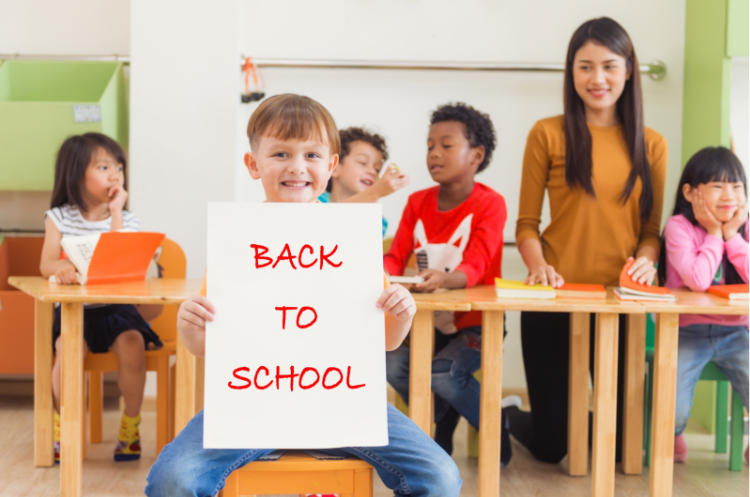
School Reopening Dates Announced Across States as Summer Break Nears End
Student Well-Being Remains a Priority
Technology and Innovation Continue Shaping Education
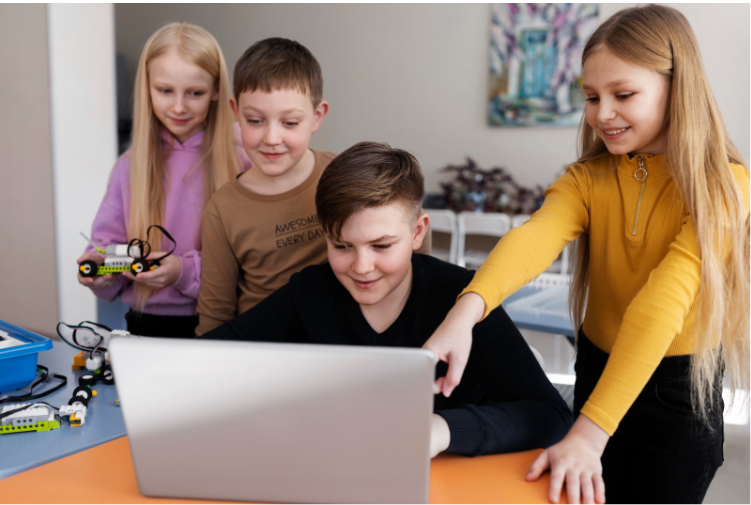
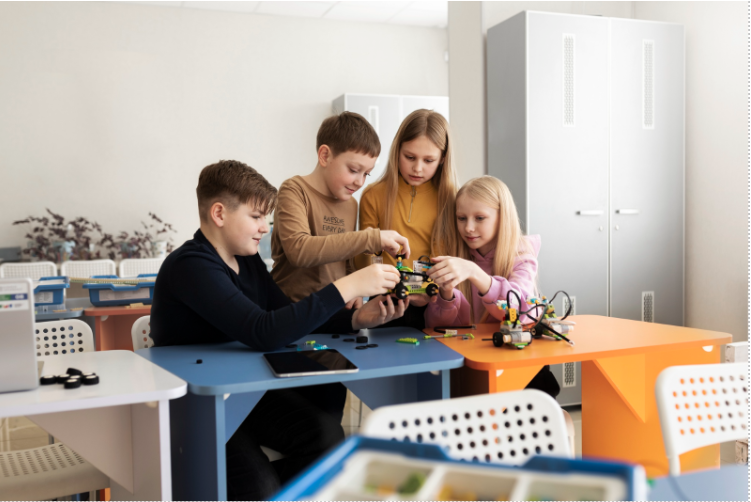
Technology is becoming a fundamental part of education as schools move toward reopening. Students will continue to be exposed to digital tools, interactive learning platforms and technology-enhanced instruction.
Innovative teaching methods are also evolving through investment by educational institutions to promote active engagement in the community, co-operative learning, and hands-on application of knowledge for students in the classroom.
The use of technology to support instruction has allowed students to gain digital literacy while increasing their involvement in learning across multiple subject areas. Using technology in practice will also create a personalised experience for students and allow teachers to meet the individual needs of their students more easily.
Experts feel that by combining traditional classroom instruction with the use of modern educational technologies, the result will be a more dynamic and future-focused learning environment.
Schools Focus on Future-Ready Skills
Schools are sensing the call to put more importance on teaching children both education/academics and also much of what they call soft-skills or 21st century skills. This includes things such as critical thinking, communication, creativity, collaboration, and problem-solving.
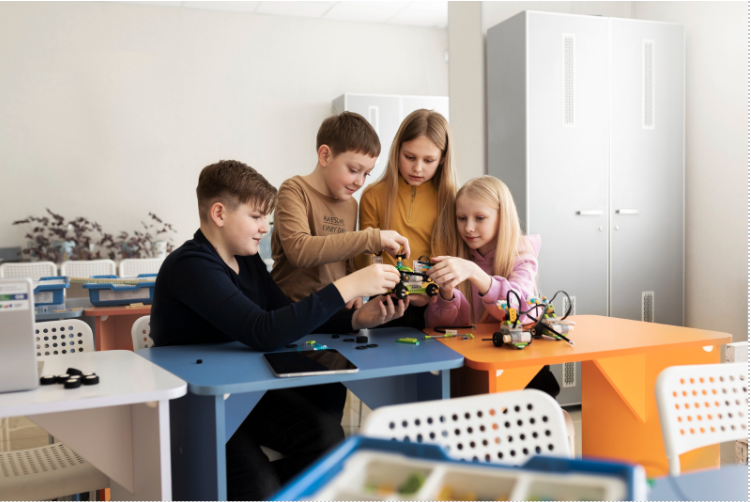
Schools are creating or expanding a number of opportunities and experiences in science, technology, engineering, and mathematics (STEM) and the arts, as well as developing students’ sportsmanship and leadership abilities. These programs are intended to provide students with practical learning experience and to enhance their abilities and skills outside of merely passing tests.
There are many different forms of experiential learning (e.g. project-based learning, innovation challenges, coding, robotics, research) that schools are implementing in order to effectively prepare students for a world that is constantly changing.
According to educational experts, students will be better prepared for the future by providing a solid academic foundation along with opportunities for experiential and/or skill-based learning.
Parents and Students Prepare for the Transition
Families must usually plan when schools reopen. This includes arranging transportation, acquiring school supplies, going over schedules and keeping children accustomed to being at home during the summer.
Students, especially when they are entering a new grade or new school after summer break, may feel a combination of excitement and anticipation. Teachers and school personnel make a significant contribution towards establishing a warm and reassuring atmosphere for students as they enter the new academic year.
According to experts, the best way students can prepare for their first day back at school is to gradually adapt their sleep schedules, organize their school materials, and develop and practice effective pre-school routines prior to returning to school. This will help reduce anxiety and ensure they have a successful beginning to the academic year.
This transition period gives families an opportunity to discuss educational objectives, extracurricular interests, and what their parental expectations are for their child during the next school year.
Looking Ahead
A new school year means that many schools in many states have developed reopening plans for the return of students to their schools. Schools continue their efforts to have quality learning environments that provide opportunities for academic success, social, emotional and physical health, and career readiness.
The new school year means students will have new learning opportunities through many different avenues. These include innovative instructional practices, increased use of technology as a teaching tool, and increased awareness among educators about the whole person (mind, body and spirit) of the students they serve.
With the return of students to schools and the continuation of school activities, students, teachers and families are excited to begin a successful and fulfilling school year. The beginning of a new school year represents not only the end of summer break but also the beginning of new opportunities for all students to learn, explore new things and be prepared for future success.