
South Korea’s Education Sector Faces New Challenges and Reforms in 2026 Amid Rising Global Attention
South Korea has long been recognized for its high-performing education system, academic excellence, and strong student outcomes in science and technology. However, in 2026, the country’s education sector is facing growing pressure to reform traditional learning models while responding to global competition, technological disruption, and student wellbeing concerns. Policymakers, educators, and international observers are now closely watching how South Korea adapts its education system to meet the changing demands of the future workforce.

The country’s education reforms are focusing on reducing academic pressure, expanding vocational learning, strengthening artificial intelligence education, and modernizing higher education institutions. These developments are gaining international attention because South Korea continues to rank among the world’s leading nations in academic performance and STEM-related learning.
STEM Education Remains Central to South Korea’s Education Reforms
South Korea’s education model has historically emphasized discipline, academic achievement, and competitive examinations. While this approach helped build one of the world’s most educated populations, experts believe the system now requires modernization to support creativity, innovation, and balanced student development.
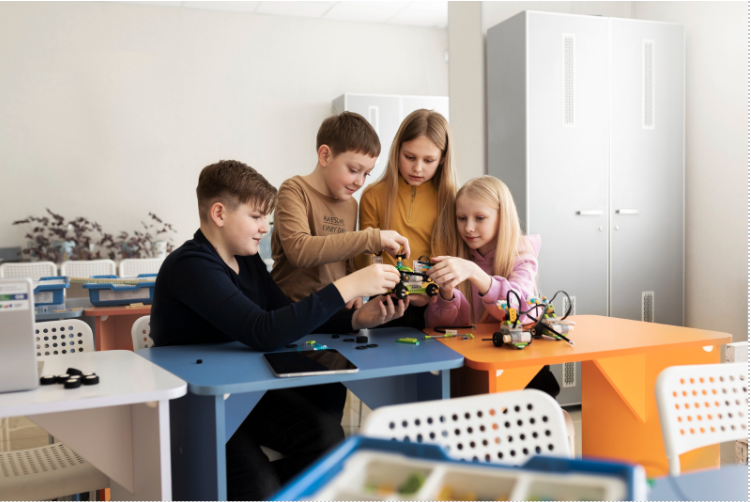
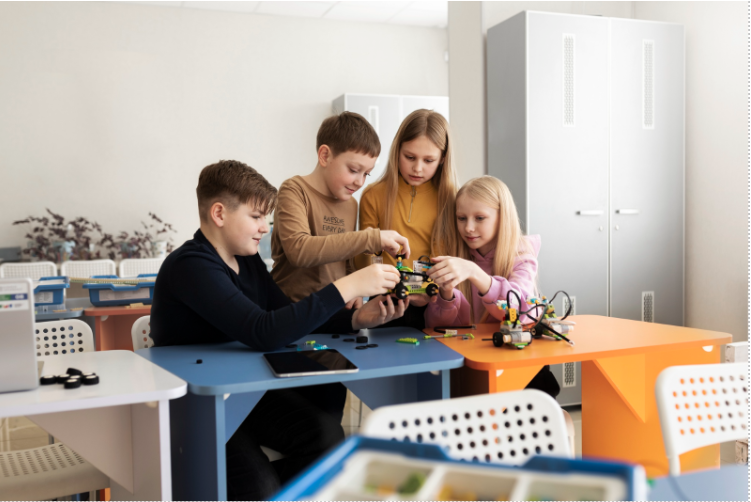
Recent reforms are increasingly linked to STEM Education and future-focused learning strategies. Educational institutions are expanding programs related to artificial intelligence, robotics, coding, engineering, and digital technologies to prepare students for emerging industries. The government is also encouraging stronger collaboration between schools, universities, and industries to improve workforce readiness.
One of the key areas of reform involves vocational and technical education. South Korea has continued investing in specialized “Meister Schools,” which provide practical, industry-oriented training designed to prepare students for high-skilled technical careers. These institutions aim to reduce dependence on traditional university pathways while supporting employment opportunities in advanced manufacturing, engineering, and technology sectors.
The rise of artificial intelligence has also accelerated educational transformation. Universities and schools are introducing AI-focused curricula and digital learning systems to improve personalized education and technological literacy among students. Policymakers believe these reforms are essential for maintaining South Korea’s global competitiveness in innovation-driven industries.
STEM Education in India and South Korea Show Similar Trends
The ongoing reforms in South Korea reflect broader global shifts in education systems, including developments in STEM Education in India and other rapidly growing economies. Both countries are focusing more on innovation, practical learning, entrepreneurship, and future-ready skills that align with technological advancement.
Similar to India’s expansion of innovation labs and coding programs, South Korea is attempting to balance academic excellence with creativity and student wellbeing. Educational experts increasingly argue that future education systems must encourage problem-solving, collaboration, and adaptability rather than relying solely on exam-based evaluation methods.
South Korea’s government has also been working to decentralize higher education opportunities. New discussions around regional university development and education accessibility aim to reduce inequality between major urban institutions and regional campuses.
At the same time, policymakers are attempting to reduce excessive competition and improve student mental health. South Korea’s highly competitive academic culture has often been criticized for creating intense pressure on students and families. Education reforms are therefore placing greater emphasis on creativity, participatory learning, and career exploration activities within schools.
Education Reforms Focus on Innovation and Student Wellbeing
Another major challenge facing South Korea’s education sector is adapting to demographic and economic changes. Declining birth rates and changing labor market demands are forcing institutions to rethink traditional education structures and enrollment systems.
To address these concerns, education leaders are introducing policies that support digital transformation, flexible learning models, and international collaboration. The government is also exploring ways to attract more international students and strengthen global academic partnerships.
Educational researchers believe innovation-driven reforms are necessary to ensure long-term sustainability within the sector. AI integration, digital learning platforms, and industry-linked education are expected to play a major role in shaping South Korea’s future classrooms.
STEM Education Supports Global Competitiveness
As global economies increasingly depend on technology and innovation, STEM Education is becoming one of the most important pillars of national development strategies. South Korea’s reforms demonstrate how countries are adapting education systems to meet the demands of artificial intelligence, automation, and digital transformation.
The country’s focus on vocational learning, research expansion, and AI-driven education highlights its commitment to maintaining leadership in science and technology sectors. At the same time, reforms aimed at reducing academic stress indicate a broader effort to create a more balanced and sustainable education environment for future generations.
With international attention growing around educational modernization, South Korea’s evolving policies may influence education systems worldwide. The reforms introduced in 2026 are expected to shape not only the future of Korean education but also broader discussions about innovation, student wellbeing, and the future of global learning systems.