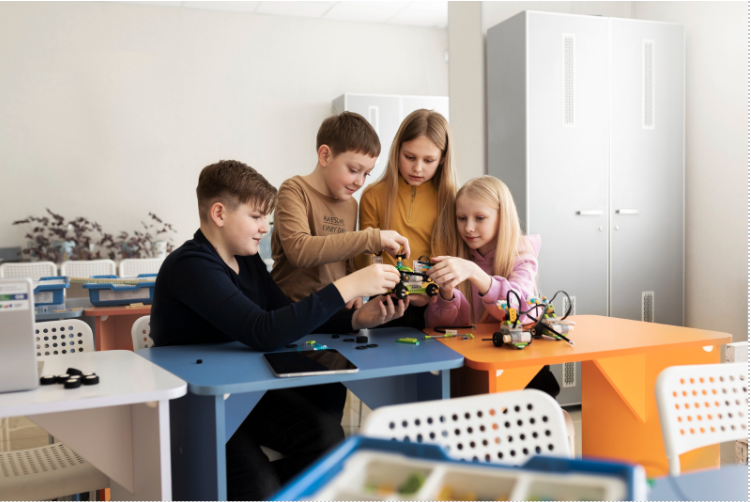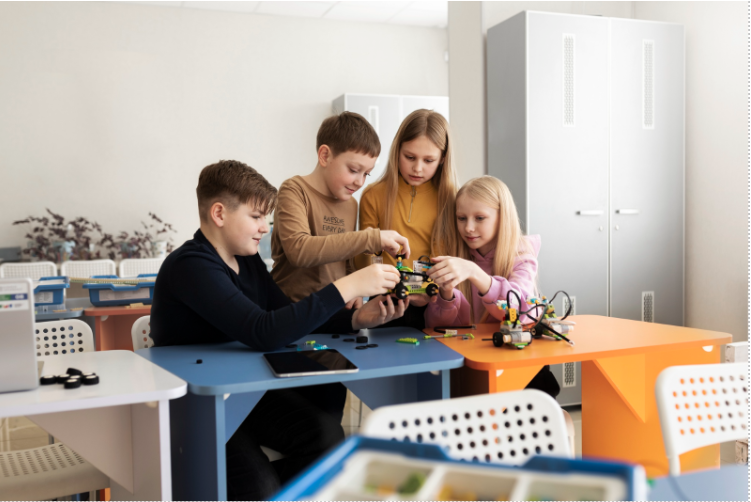

International Schools Expand STEM Programs to Prepare Students for Future Jobs
As technology continues to transform industries worldwide, international schools are rapidly expanding their science, technology, engineering, and mathematics programs to equip students with future-ready skills. Schools across Asia, Europe, North America, and the Middle East are redesigning academic models to focus more on innovation, coding, robotics, artificial intelligence, and project-based learning.
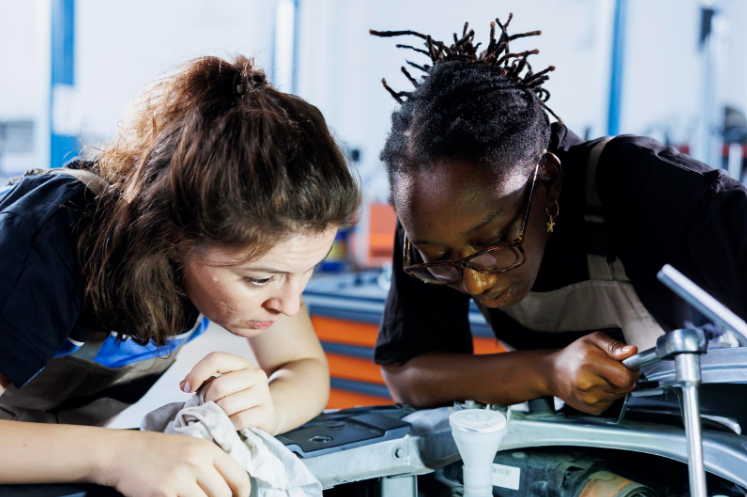
Education leaders believe that traditional classroom systems are no longer enough to prepare students for modern careers. Employers increasingly demand problem-solving abilities, creativity, digital literacy, and interdisciplinary thinking. In response, schools are investing heavily in modern laboratories, innovation hubs, and technology-integrated classrooms to strengthen STEM education for students from an early age.
The expansion comes at a time when countries worldwide are competing to build highly skilled workforces capable of supporting rapidly growing sectors such as AI, automation, cybersecurity, renewable energy, biotechnology, and space technology.
STEM Education Becoming Central to Global Learning Models
International schools are now introducing advanced technology programs at both primary and secondary levels. Students are being encouraged to participate in robotics competitions, coding boot camps, science fairs, engineering projects, and startup incubation activities.
Many schools have partnered with technology companies and universities to provide practical exposure to real-world applications of science and engineering. Experts say this approach helps students understand how classroom concepts can solve actual global challenges.
Modern STEM-focused campuses are also incorporating maker spaces, 3D printing labs, drone technology, and virtual reality systems into daily learning activities. These facilities allow students to experiment, design prototypes, and collaborate on innovative projects.
Educational institutions in countries such as Singapore, the United States, the United Kingdom, and the United Arab Emirates have significantly increased investments in innovation-driven education. Several schools are also integrating sustainability and climate science into STEM programs to prepare students for future environmental challenges.
According to education analysts, the demand for STEM-related careers is expected to grow steadily over the next decade. As a result, schools are focusing on developing analytical thinking and technical capabilities much earlier than before.
STEM Education in India Witnesses Strong Growth
The global shift toward innovation-driven learning is also influencing the growth of STEM education in india. Schools and educational institutions across the country are increasingly adopting coding, robotics, and AI-based learning programs to prepare students for emerging industries.
Government initiatives such as Atal Tinkering Labs, Digital India, and the National Education Policy 2020 have encouraged schools to focus on experiential and skill-based learning. Private schools are also collaborating with edtech companies to introduce modern STEM curricula and practical learning opportunities.
Experts believe India’s growing startup ecosystem and expanding technology sector are creating strong demand for future-ready talent. As a result, many schools are introducing entrepreneurship modules and innovation challenges alongside science and engineering education.
Students are now participating in national and international competitions related to robotics, app development, machine learning, and environmental innovation. This exposure is helping young learners build confidence and develop technical problem-solving abilities at an early age.
Technology and Innovation Driving Future Classrooms
International educators believe that future classrooms will rely heavily on technology-enabled learning experiences. Artificial intelligence tools, adaptive learning platforms, and virtual simulations are becoming common features in modern education systems.
Schools are also shifting toward interdisciplinary learning, where students combine science, engineering, mathematics, arts, and communication skills to solve practical problems. Experts say this integrated model better reflects how industries operate in the real world.
In addition to academic skills, schools are placing greater emphasis on teamwork, leadership, creativity, and communication. These abilities are considered essential for careers that may not even exist today.
Industry leaders have repeatedly highlighted the need for continuous learning and adaptability in the modern workforce. Educational institutions are therefore working to create flexible learning environments that encourage curiosity, experimentation, and innovation.
Future of STEM Education in India and Beyond
The continued expansion of STEM education in india and other global education systems reflects a broader transformation in how schools prepare students for the future economy. Analysts predict that careers linked to artificial intelligence, robotics, clean energy, healthcare technology, and data science will continue to grow rapidly in the coming years.
International schools are expected to further increase investments in advanced technology infrastructure, research-based learning, and industry partnerships. Experts believe these initiatives will help students become more competitive in a highly digital and innovation-driven world.
As education systems evolve, STEM learning is likely to remain a central pillar of academic development worldwide. The growing focus on practical learning, creativity, and technology integration signals a major shift toward preparing students not just for exams, but for real-world challenges and future careers.