
Schools Worldwide Invest in Advanced STEM Infrastructure to Prepare Future Workforce
In a major push toward future-ready education, countries like Australia are significantly increasing investments in advanced STEM infrastructure within schools. This shift reflects a growing global recognition that traditional classrooms are no longer sufficient to prepare students for rapidly evolving industries such as defense, robotics, and advanced manufacturing.
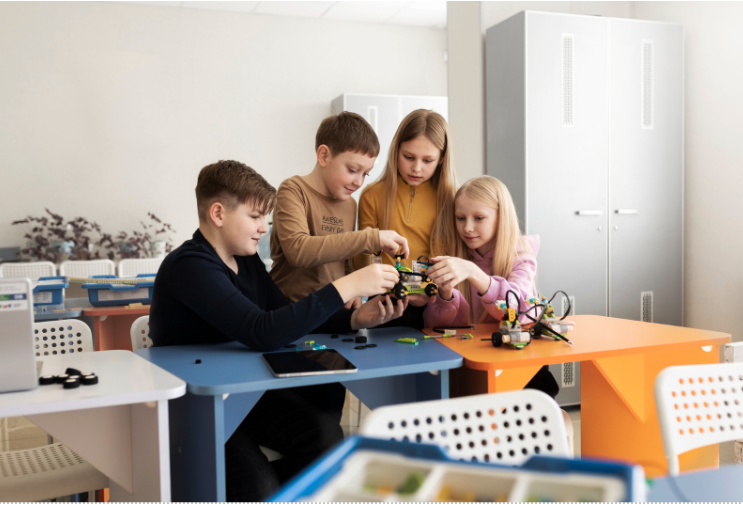
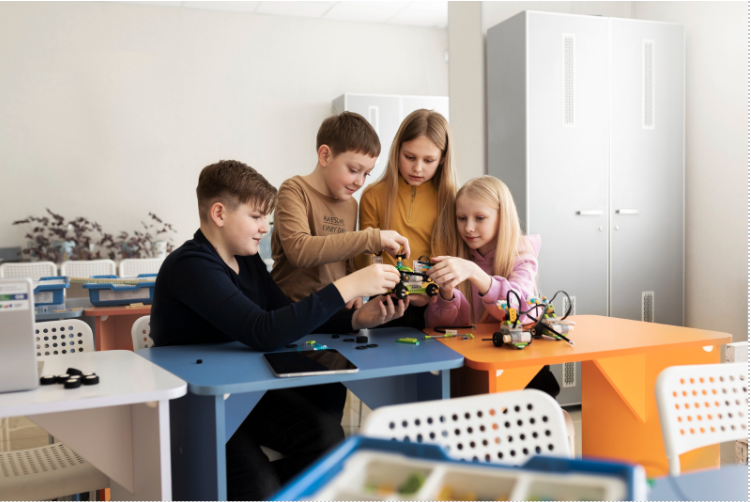
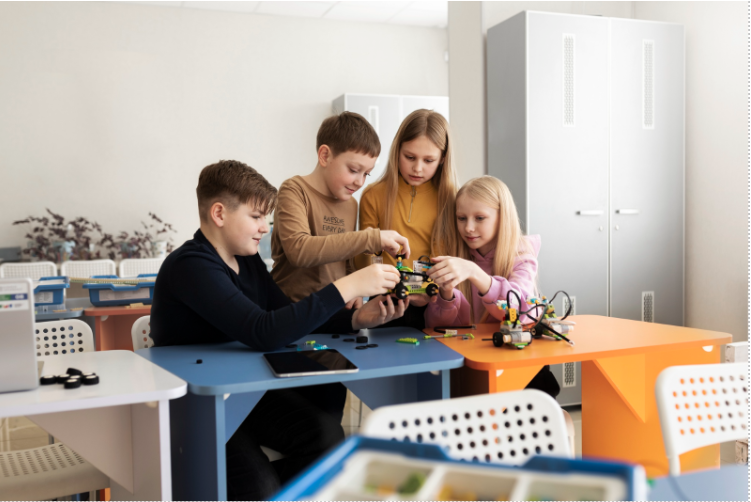
New-age school campuses are now being designed with cutting-edge facilities, including virtual reality (VR)-enabled laboratories, engineering workshops, and design technology centers. These environments allow students to move beyond textbook learning and engage directly with real-world tools and simulations. For instance, VR labs enable learners to explore complex scientific concepts, conduct virtual experiments, and interact with 3D models in immersive settings, making learning both engaging and effective.
Education experts highlight that such infrastructure is crucial in bridging the gap between academic knowledge and industry requirements. By providing access to modern tools and technologies, schools are helping students develop practical skills such as problem-solving, critical thinking, and technical proficiency. These skills are increasingly in demand across global industries, particularly in sectors driven by innovation and automation.
In addition to enhancing student learning, these investments are also fostering stronger connections between education systems and industry partners. Many schools are collaborating with technology companies and research organizations to design facilities that reflect real-world work environments. This ensures that students gain exposure to industry standards and practices from an early stage, making them better prepared for higher education and employment.
The trend is not limited to developed nations alone. Countries around the world are recognizing the importance of modern STEM infrastructure and are taking steps to upgrade their educational facilities. Governments are allocating funds, while private institutions are also contributing to the development of high-tech learning spaces.
However, challenges remain in ensuring equal access to such advanced resources. Rural and underfunded schools may struggle to implement similar upgrades, raising concerns about educational inequality. Policymakers and stakeholders are therefore focusing on strategies to make these technologies more accessible and affordable across different regions.
Overall, the investment in advanced STEM infrastructure marks a transformative shift in global education. It signals a move toward experiential, hands-on learning that aligns closely with industry needs. As schools continue to adopt modern facilities and technologies, STEM education is becoming more practical, dynamic, and directly connected to real-world applications.