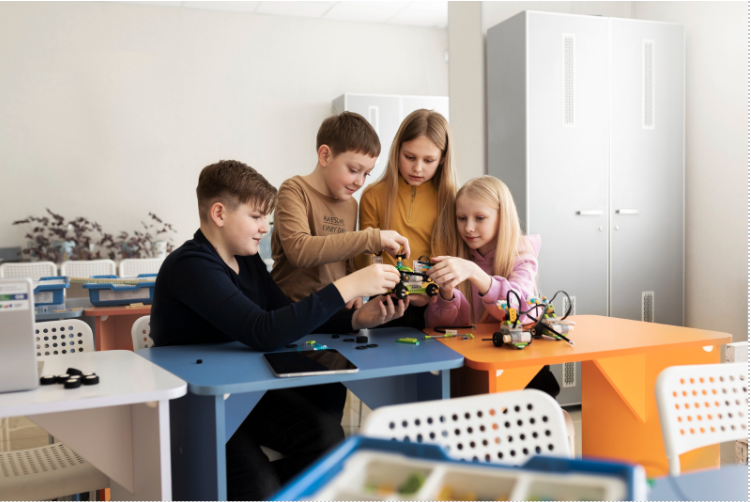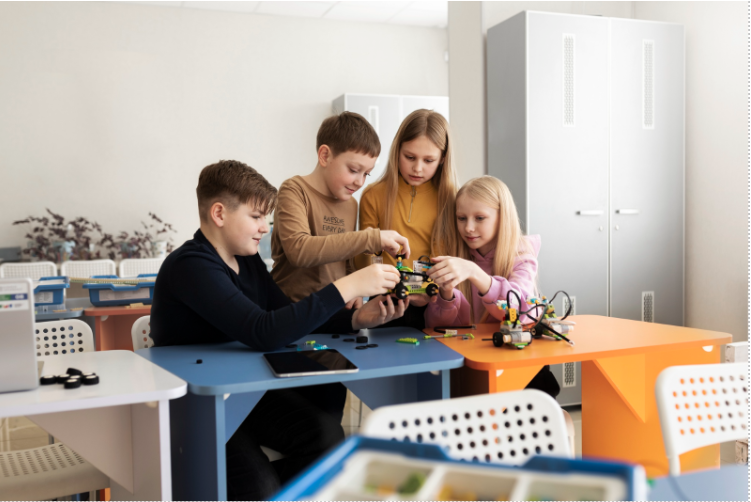

In a significant global shift, STEM education is increasingly being aligned with the United Nations Sustainable Development Goals (SDGs), redefining how science and technology are taught in classrooms worldwide. Education systems are no longer focusing solely on theoretical knowledge; instead, they are preparing students to tackle real-world challenges such as climate change, clean energy, and sustainable infrastructure.
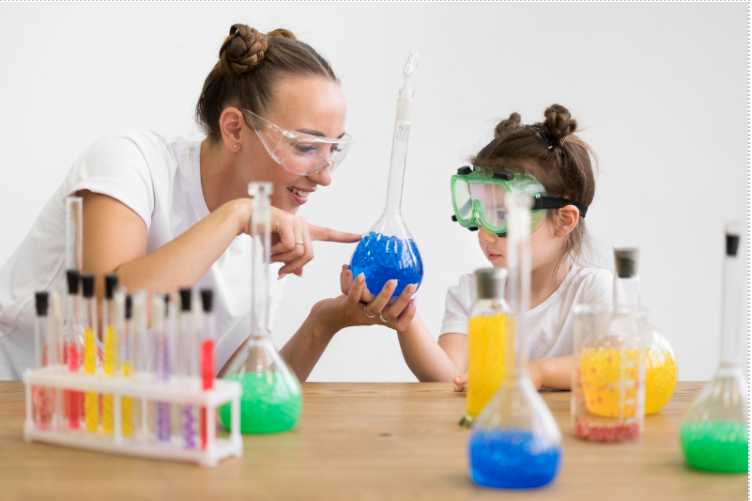
Across countries, schools and universities are integrating sustainability-focused modules into STEM curricula. Topics like renewable energy, environmental science, smart cities, and green technology are becoming central to learning. This transformation reflects a broader understanding that future scientists, engineers, and innovators must be equipped not just with technical skills, but also with the ability to address pressing global issues.
Educational institutions are increasingly adopting project-based learning approaches where students work on real-life sustainability challenges. From designing solar-powered devices to developing waste management solutions, students are encouraged to apply STEM knowledge in practical, impactful ways. These initiatives not only enhance problem-solving skills but also instill a sense of responsibility toward the environment and society.
Global organizations such as UNESCO are playing a key role in promoting this shift. Through international programs, partnerships, and funding initiatives, they are supporting countries in redesigning their education systems to align with SDGs. These efforts aim to ensure that STEM education contributes directly to sustainable development and inclusive growth.
In addition, collaborations between governments, educational institutions, and private companies are strengthening the link between education and sustainability. Tech companies and research organizations are partnering with schools to provide resources, mentorship, and real-world exposure. This ensures that students gain hands-on experience while working on innovative solutions to global problems.
Experts believe this approach marks a turning point in global education. By connecting STEM learning with sustainability goals, education is becoming more purpose-driven and impactful. Students are no longer just preparing for exams they are being trained to become change-makers who can contribute to solving global crises.
However, challenges such as unequal access to resources and varying levels of infrastructure across countries remain. Efforts are ongoing to bridge these gaps and ensure that sustainability-focused STEM education reaches all learners, regardless of their location or background.
As the world faces increasing environmental and economic challenges, the integration of STEM education with the Sustainable Development Goals signals a powerful transformation. It highlights a future where education is not only about knowledge acquisition but also about creating solutions that can shape a better, more sustainable world.