For years, “study hard” has been the foundation of academic success. It emphasised discipline, consistency, and effort, all of which still matter. But the context in which children are learning today has changed significantly.
We are now in a world driven by technology, rapid innovation, and dynamic career paths. In this environment, effort alone does not guarantee success. What matters is how effectively children can apply knowledge, think critically, and adapt to new challenges.
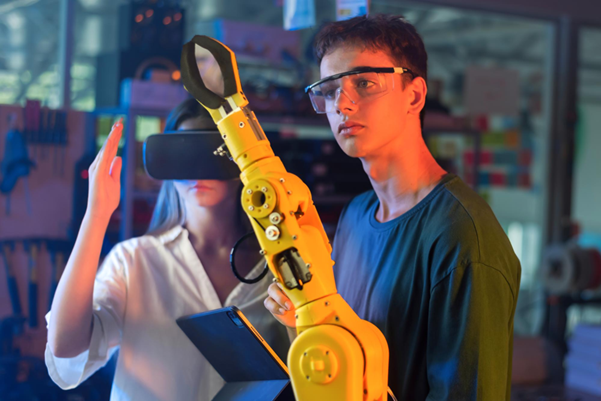
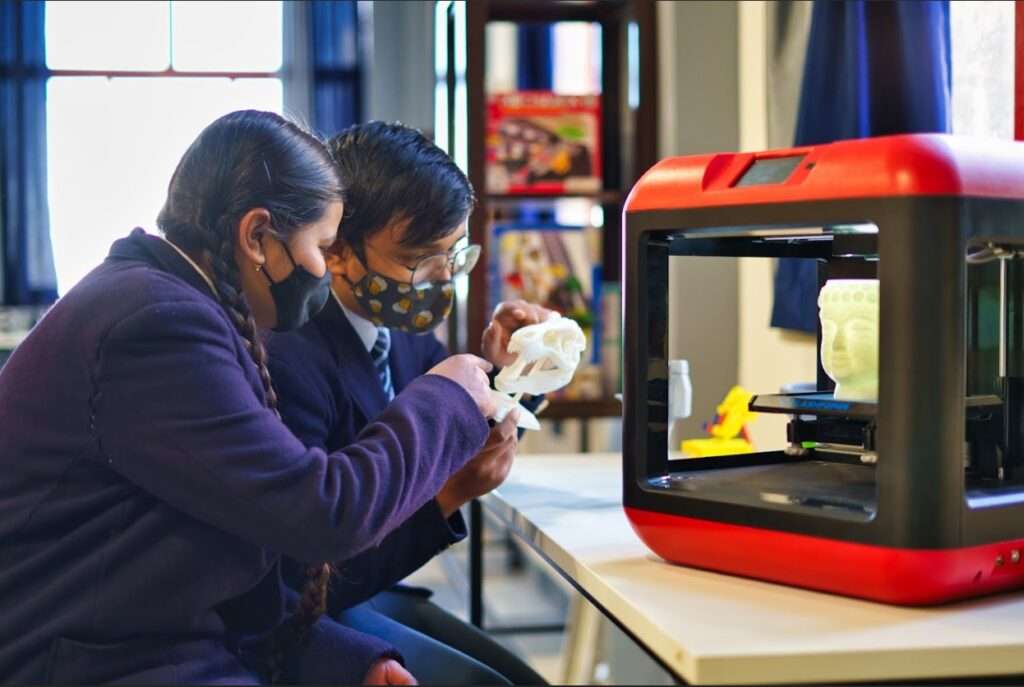
This is where modern approaches like STEM education and STEM learning are reshaping how children are prepared for the future.
The Limitations of Traditional Learning Models
Traditional learning models were designed for uniformity and scale. While they ensure structure, they often limit flexibility and do not fully support real-world skill development. As industries evolve, this gap between classroom learning and practical application continues to grow.
Rote Learning vs. Conceptual Understanding
Rote learning focuses on memorisation and repetition. Students are trained to recall information without necessarily understanding the underlying concepts.
This creates short-term performance but weak long-term retention. Children may excel in exams but struggle when asked to apply the same concept differently.
Conceptual understanding, central to STEM learning, builds clarity and depth. It allows children to connect ideas and apply knowledge across multiple contexts.
Aspect | Rote Learning | Conceptual Learning |
Focus | Memorisation | Understanding principles |
Retention | Short term | Long term |
Application | Limited | High |
Learning Style | Passive | Active |
The Problem of Single Outcome Evaluation
Most traditional systems rely heavily on exams that measure accuracy within a fixed format. This limits how learning is assessed. It does not capture how a student thinks, analyses, or approaches a problem. This leads to a narrow definition of success.
Modern STEM education promotes multi-dimensional evaluation, focusing on both process and outcome.
Aspect | Traditional Evaluation | STEM-Based Evaluation |
Measurement | Marks and accuracy | Skills and understanding |
Focus | Final answer | Problem-solving process |
Creativity | Limited | Encouraged |
Feedback | Delayed | Continuous |
Lack of Real World Application
- Learning in traditional systems often remains theoretical. Students rarely get opportunities to apply concepts in real scenarios.
- This creates a disconnect between knowledge and action. Without practice, confidence in applying concepts remains low.
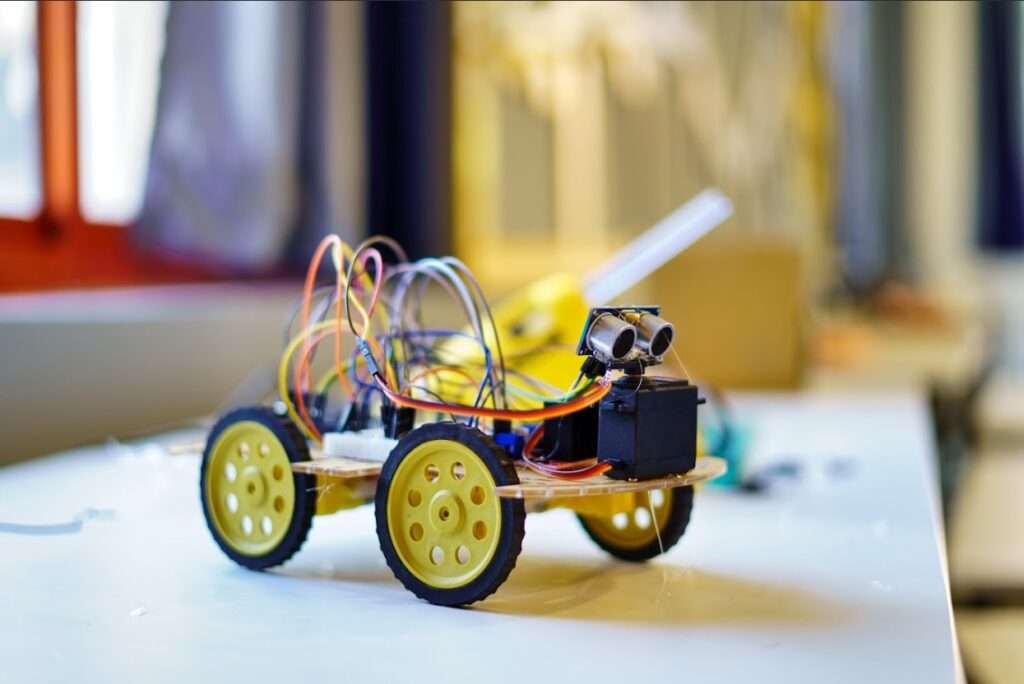
- Hands-on learning within STEM learning bridges this gap by integrating real-world tasks into education.
What the Future Actually Demands?
The future is shaped by complexity and constant change. Children need skills that go beyond academic knowledge to succeed in this environment. They must be prepared to think independently, solve problems, and adapt continuously.
Application-Driven Knowledge
- The ability to apply knowledge is more valuable than memorising it.
- Children need to understand how to use what they learn.
- This involves analysing problems, connecting concepts, and building solutions.
- It shifts learning from passive to active.
Interdisciplinary Thinking
Modern challenges require knowledge from multiple disciplines. A single-subject approach is no longer sufficient.
STEM education integrates science, technology, engineering, and mathematics to create a holistic learning experience.
Skill Area | Traditional Learning | STEM Learning |
Approach | Subject-specific | Interdisciplinary |
Problem Solving | Linear | Integrated |
Learning Outcome | Knowledge | Application |
Adaptability and Continuous Learning
Children will need to learn, unlearn, and relearn throughout their lives. Adaptability is now a core skill. This requires exposure to changing environments and new challenges from an early stage.
The Gap Between School Learning and Real-World Skills
There is a growing disconnect between what children learn in school and what they need in real life. This affects both confidence and capability. Bridging this gap requires a shift towards experiential and application-based learning models.
Structured Classrooms vs. Open-Ended Problem Solving
- Classrooms provide structured learning with defined outcomes. Real-world problems are open-ended and unpredictable.
- Children need exposure to ambiguity and multiple solution paths to develop strong problem-solving skills.
Limited Exposure to Hands-On Learning
- Students often lack opportunities to experiment and build. This limits their ability to understand how concepts work in practice.
- Hands-on learning is essential for deeper engagement and better retention.
The Confidence and Independence Gap
- When children rely heavily on instructions, they may struggle to take initiative. Confidence comes from independent action.
- Encouraging self-driven learning helps build resilience and decision-making ability.
What Children Need to Succeed Today
To prepare children for the future, learning must go beyond textbooks. It should focus on building skills, mindset, and real-world capability. A balanced approach integrates academic knowledge with practical application.
Strong Foundations in STEM Learning
- STEM learning builds analytical thinking and structured problem-solving skills.
- It helps children understand systems and patterns.
- These skills are transferable across careers and industries.
Problem Solving and Critical Thinking
Children need to develop the ability to analyse, evaluate, and solve problems independently.
This involves,
- Asking questions and exploring solutions
- Testing ideas and refining approaches
- Learning from mistakes
Learning by Doing and Experiential Education
Experiential learning creates a deeper understanding through active engagement. It makes learning more effective and relevant.
Method | Outcome |
Project-based learning | Practical application |
Simulations | Real-world exposure |
Interactive tasks | Higher engagement |
The Role of EdTech in Transforming Learning
EdTech platforms are playing a critical role in bridging the gap between traditional education and future requirements.
They enable scalable, interactive, and personalised learning experiences.
From Content Delivery to Skill Development
Modern platforms focus on building skills, not just delivering content. They create environments where children actively engage with concepts.
This includes,
- Interactive lessons
- Real-time feedback
- Adaptive learning paths
Enabling Scalable STEM Education
EdTech makes STEM education accessible to a wider audience. It provides tools and resources that support hands-on and application-based learning.
Feature | Traditional Learning | EdTech-Enabled Learning |
Access | Limited | Scalable |
Learning Style | Passive | Interactive |
Feedback | Periodic | Instant |
Redefining Success in Modern Education
Success in education is no longer defined only by marks. It now includes the ability to apply knowledge and adapt to change. This requires a broader perspective on learning and development.
Beyond Marks and Standardised Metrics
Marks provide limited insight into a child’s capabilities. A more comprehensive approach considers skills and mindset.
This includes,
- Analytical thinking
- Creativity
- Real-world problem-solving ability
Building Future Ready Learners
Future-ready learners are those who can continuously learn and adapt. They are equipped to handle challenges beyond the classroom. STEM learning and STEM education play a key role in building these capabilities.
Final Thoughts
“Study hard” is not outdated, but it is incomplete. Effort must be combined with application, adaptability, and critical thinking.
Children need an education that prepares them for real-world complexity, not just academic performance. STEM education is not an advantage. It is a necessity.