
AI Teacher Robot Iris Transforms Classroom Learning in Karnataka Government School
In a significant step toward modernising education, a government school in Karnataka has introduced an AI-powered teacher robot named “Iris,” marking a new era in STEM learning across India. This innovative initiative aims to bridge the gap between traditional teaching methods and emerging technologies by bringing artificial intelligence directly into the classroom.
“Iris,” designed as an interactive teaching assistant, is equipped with advanced AI capabilities that allow it to communicate with students, answer questions, and assist teachers in delivering lessons more effectively. The robot can explain complex concepts in subjects such as science, mathematics, and technology in a simplified and engaging manner. By using voice recognition, real-time responses, and visual aids, Iris creates an immersive learning environment that captures students’ attention and encourages curiosity.
What makes this development particularly impactful is its implementation in a government school setting, where access to advanced educational tools has traditionally been limited. By integrating AI into such classrooms, the initiative ensures that students from diverse and rural backgrounds are not left behind in the rapidly evolving digital world. It also aligns with India’s broader vision of promoting STEM education and digital literacy at the grassroots level.
Teachers at the school have reported that Iris does not replace human educators but rather complements their role. It assists in explaining difficult topics, managing classroom engagement, and providing additional support to students who may need more attention. This collaborative approach between human teachers and AI technology is helping create a more dynamic and inclusive learning environment.
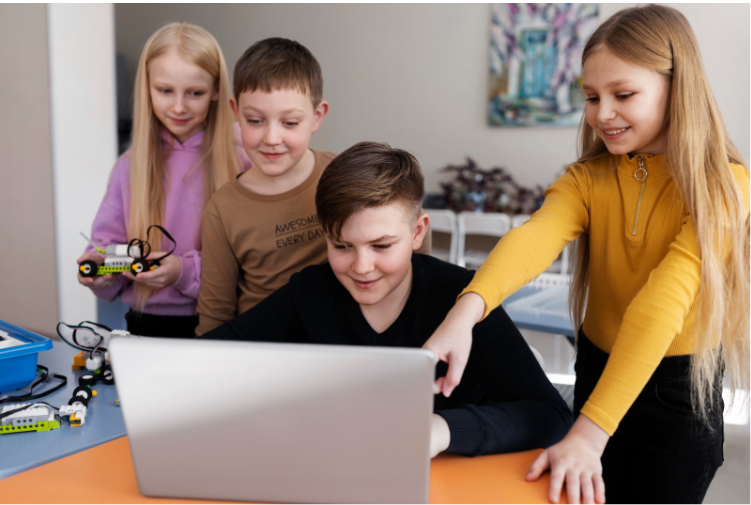
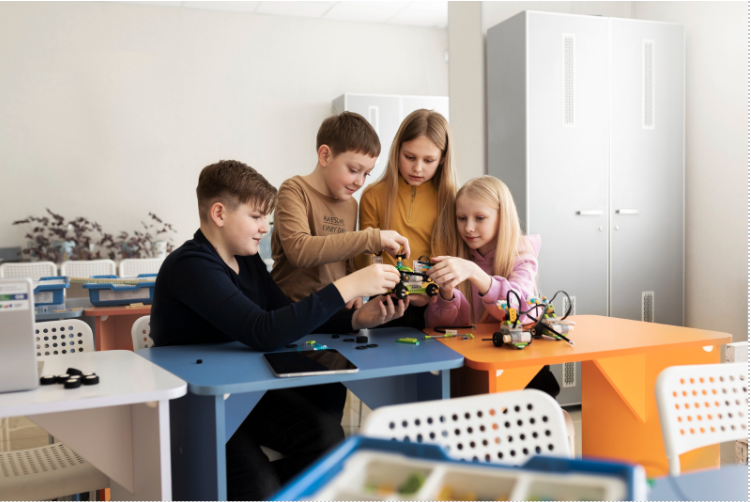
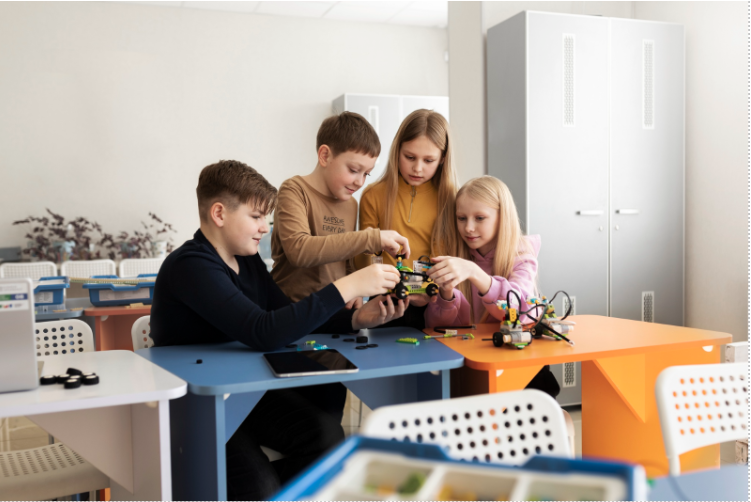
Students, on the other hand, are showing increased enthusiasm for learning. The presence of a robot in the classroom has sparked interest in artificial intelligence, robotics, and innovation among young learners. Many students are now more eager to participate in discussions, ask questions, and explore STEM subjects beyond textbooks.
Education experts believe that such initiatives could play a crucial role in shaping the future of learning in India. By exposing students to AI at an early stage, schools can help develop critical thinking, problem-solving skills, and technological awareness skills that are essential in the 21st-century workforce.
The introduction of “Iris” is not just a technological upgrade but a symbol of transformation in the education system. As similar innovations expand across the country, AI-powered tools are expected to become an integral part of classrooms, making education more interactive, accessible, and future-ready.
This development highlights how technology, when used effectively, can empower students and redefine the way knowledge is delivered, especially in regions where educational resources are still growing.