
10,000+ Schools have a STEM Lab – Here’s Why
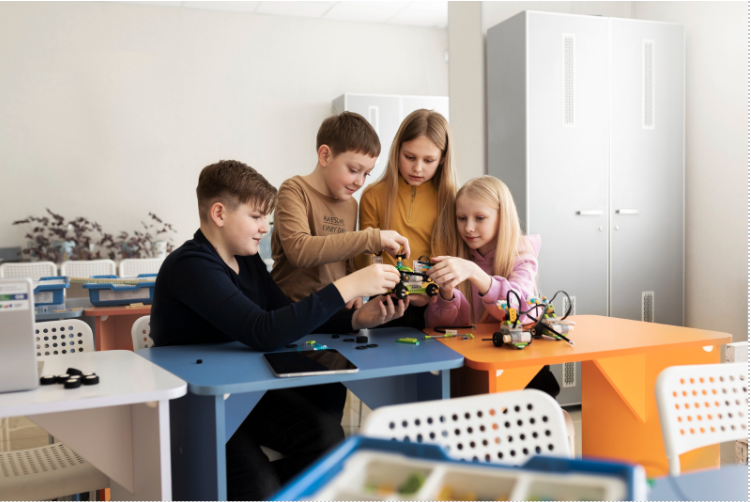
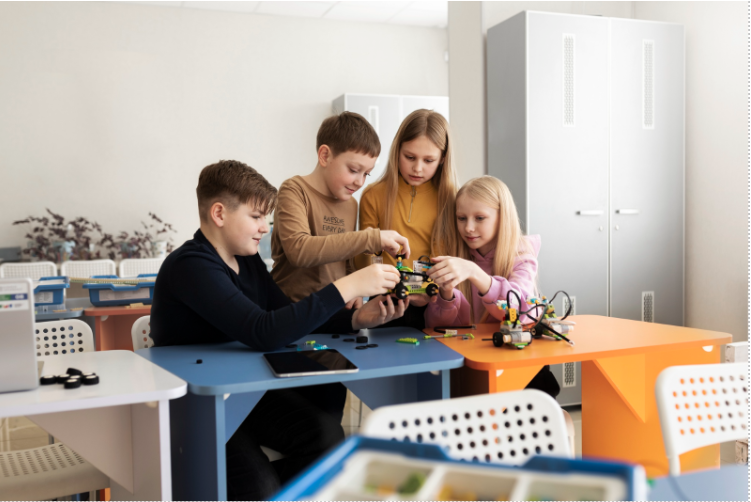
Over 10,000 schools across the country have introduced STEM labs to transform the way students learn. These labs combine Science, Technology, Engineering, and Mathematics into a single interactive learning environment. The goal is to make education hands-on and prepare students for real-world challenges.
What is a STEM Lab?
The idea behind the development of STEM labs is to take learning beyond the conventional classroom environment and encourage students to be innovative and creative. In these labs, students are provided with opportunities to learn through hands-on experience.
- The primary focus of these labs is to create a learning environment in which the students are encouraged to be inquisitive and inculcate the habit of questioning and learning through trial and error.
- It helps them make the best connection between what they have learned and how it is applicable in the real world.
- The other important aspect of these labs is that they help students develop the confidence and courage to learn through failure.
Why Schools are Investing in STEM Labs

The demand for practical, real-world learning is pushing schools to rethink education. Investing in STEM labs doesn’t just enrich classrooms. It prepares students for tomorrow’s opportunities.
Experiential Learning
Hands-on STEM projects make lessons memorable.
- Students grasp concepts faster when they experiment and build rather than just read.
- Coding, robotics, and electronics projects make abstract ideas tangible.
- Experiential learning improves understanding, retention, and enthusiasm for STEM subjects.
Teaching Strategies:
- Interactive coding exercises replacing textbook theory.
- Robotics projects demonstrating engineering and physics principles.
- AI and machine learning tasks show practical applications of complex ideas.
Design Thinking
STEM labs nurture innovation with structured approaches.
- Access to 3D printers, robotics kits, and IoT devices fuels curiosity.
- Students tackle real-world challenges requiring creative solutions.
- Design thinking bridges imagination with practical skill building, encouraging inventive approaches.
Teaching Strategies:
- Building prototypes from 3D designs.
- Combining art, engineering, and coding in cross-disciplinary projects.
- Encouraging “what if?” thinking to develop novel solutions.
Computational Skills
STEM labs equip learners with industry-ready capabilities.
- Early exposure to AI, robotics, and coding builds strong career foundations.
- Students gain confidence applying computational and engineering skills to real projects.
- Practical experience bridges school learning with professional readiness.
Real-World Applications:
- From beginner coding to advanced AI and robotics projects.
- Engineering principles applied in real-life problem solving.
- Opportunities for competitions, exhibitions, and portfolio creation.
Collaborative Projects
STEM labs teach essential soft skills naturally.
- Most STEM projects require students to work in teams, solving problems together.
- Learners develop interpersonal and leadership skills in real scenarios.
- Collaborative projects prepare students for higher education and professional environments.
Teaching Strategies:
- Group robotics and coding sprints.
- Presenting project work to peers and judges.
- Peer mentoring and shared learning experiences.
Gamified Learning
Hands-on STEM transforms curiosity into active exploration.
- Interactive projects make STEM subjects enjoyable and meaningful.
- Gamified tasks in coding, robotics, and experiments spark interest.
- Students experience the joy of discovery, motivating further learning.
Hands-On Highlights:
- Robotics competitions and STEM festivals.
- Real-world problem projects students can relate to.
- Cross-curricular tasks connecting math, science, and technology seamlessly.
Boost Engagement & School Reputation
STEM labs drive participation, performance, and visibility.
- Schools with integrated STEM programs report higher student engagement and achievement.
- Teachers benefit from professional development and enhanced classroom resources.
- STEM initiatives make schools more attractive to parents, students, and the wider community.
Real-World Applications:
- Teacher training workshops for effective STEM facilitation.
- Competitions, showcases, and project exhibitions for students.
- Student portfolios reflecting real-world skills and achievements.
What Modern STEM Labs Offer?

A STEM lab is a carefully designed ecosystem for learning. Modern labs combine technology, flexibility, and safety. Key features include:
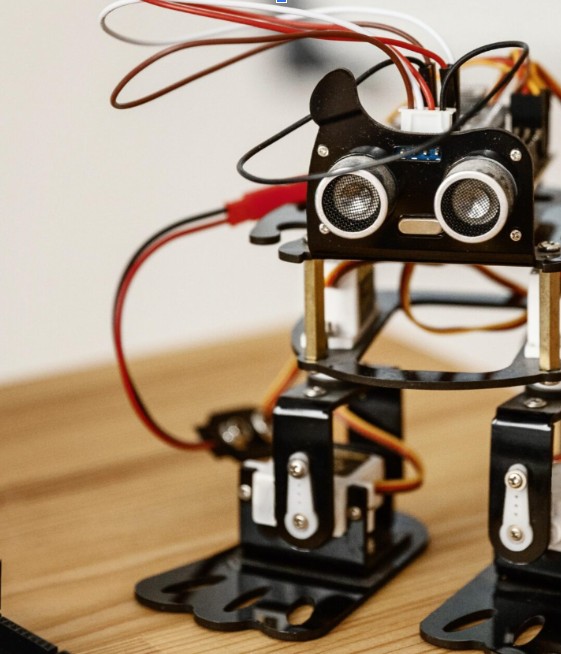
- Advanced Tools: Microscopes, sensors, robotics kits, and 3D printers.
- Digital Platforms: Coding software, simulation apps, and interactive learning tools.
- Flexible Spaces: Modular benches and collaborative zones for teamwork.
- Safety Measures: First-aid kits, fire extinguishers, and proper ventilation.
- Resource Libraries: Books, tutorials, and online references to support experiments.
Such features ensure that students can explore multiple disciplines in one integrated space.
Popular STEM Lab Activities
Hands-on activities make STEM learning exciting and engaging.
- Robotics & Coding: Students program robots and solve logic challenges.
- Scientific Experiments: Chemistry, physics, and biology concepts come alive.
- Engineering Projects: Bridges, machines, and structures combine math and physics.
- Mathematical Applications: Real-life problem-solving using geometry, algebra, and statistics.
- Innovation Challenges: Projects focused on sustainability and eco-friendly solutions.
These activities encourage curiosity, creativity, and practical skill development.
Benefits Beyond Academics
STEM labs contribute to learning that goes beyond textbooks.
- Improved Academic Performance: Hands-on learning enhances comprehension and memory.
- Early Tech Exposure: Students develop digital literacy and familiarity with modern tools.
- Confidence Boost: Completing experiments and projects builds self-esteem.
- Cultivates Lifelong Learning: Curiosity and exploration foster a love for discovery.
STEM labs help students grow intellectually, socially, and emotionally.
Challenges in Implementing a STEM Lab
Implementing STEM labs comes with certain hurdles, but they can be overcome.
- Budget Constraints: Start small with essential kits and scale gradually.
- Teacher Training: Educators must be trained to guide practical experiments.
- Maintenance: Equipment requires regular upkeep for safety and functionality.
- Space Limitations: Flexible, modular designs allow schools to maximise space efficiently.
With planning, these challenges do not hinder the transformative impact of STEM labs.
Why One‑Time Establishment STEM Program Works for a School?
The One‑Time Establishment STEM Program reimagines how schools build future-ready learning environments by combining all essential components into a single strategic investment. It offers access to infrastructure, resources, and academic support with one upfront commitment. It moves schools beyond fragmented hardware and piecemeal educational tools
Scalable Technology for Modern STEM Learning
Schools receive the latest technology hardware for hands-on experimentation:
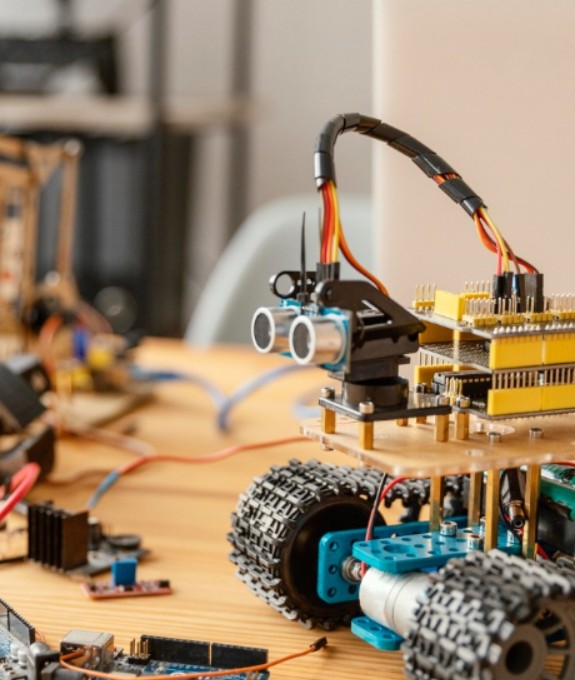
- Robotics kits, microcontrollers, IoT devices, and drones
- 3D printers and micro-computing platforms
- Globally-aligned curriculum frameworks and activity models
- Teacher training to facilitate inquiry-based learning
Flexible Setup for Any School
- Transforms virtually any room into a modern STEM lab
- Suitable for both established schools upgrading resources and growing schools introducing STEM education
- Integration without disrupting existing schedules or facilities
Students can explore project-based challenges in science, engineering, mathematics, and emerging tech disciplines.
Extend Learning Beyond the Classroom
- Access to workshops, competitions, and community events
- Open-source learning platforms for ongoing exploration
- Supports long-term academic and career readiness
Conclusion
The proliferation of STEM labs is revolutionising the way education is conducted. By adopting this new form of learning, schools are equipping their students with essential tools for the future. The hands-on learning, collaboration, and creativity, along with exposure to modern technology, will help them cope with new and emerging trends.
The One-Time Establishment STEM Program is a turnkey program designed to make it easy and cost-effective for schools to implement STEM labs. Over 10,000 schools have already adopted this method, proving its viability and worth.
STEM labs not only help students succeed academically but also prepare them to become innovators, leaders, and global citizens. They are redefining the way schools educate our youth.
Partner with Makers’ Muse to implement the One-Time STEM Lab Setup Program in your school today!