
Corporate & CSR-Powered STEM Labs: Driving Future-Ready Education in India
In recent years, Corporate Social Responsibility (CSR) initiatives have played a transformative role in strengthening STEM (Science, Technology, Engineering, and Mathematics) education across India. Leading organisations like HDFC Bank and others are actively investing in STEM lab development, bringing modern learning opportunities to thousands of students. These initiatives are not only expanding access to quality education but also bridging the gap between theoretical knowledge and practical application.
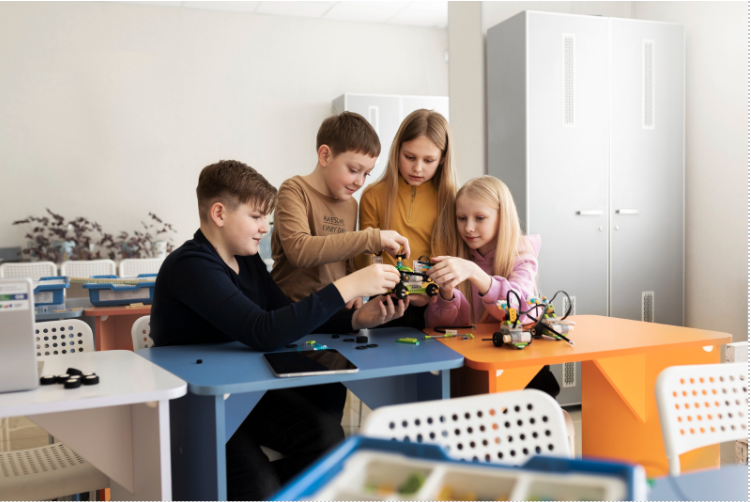
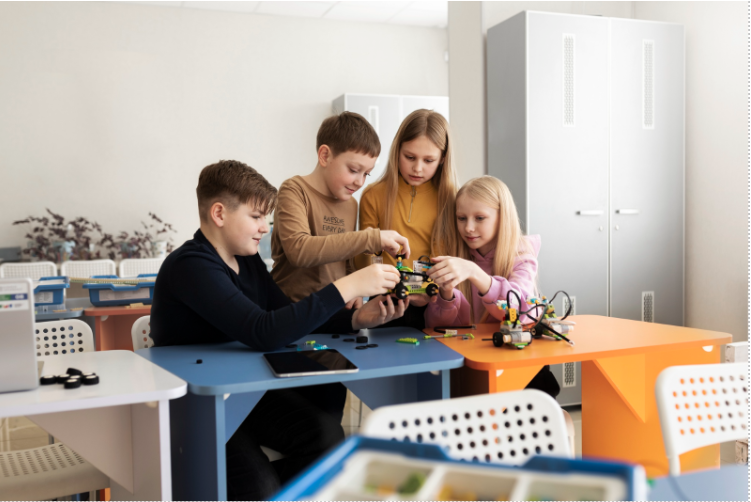
Through CSR-driven programs, STEM education has reached over 47,000 students nationwide, particularly in underserved and rural communities where access to advanced learning tools was previously limited. By setting up well-equipped innovation labs in schools, companies are creating an environment where students can explore concepts through hands-on experiences. These labs often include robotics kits, electronics components, 3D prototyping tools, and basic engineering equipment that allow learners to experiment, build, and innovate.
Cities like Pune have emerged as key hubs for such innovation labs, showcasing how corporate partnerships can elevate educational infrastructure. In these labs, students are encouraged to move beyond textbooks and actively engage in problem-solving activities. Whether it’s building a simple circuit, programming a robot, or designing a prototype, students gain practical exposure that enhances their understanding and retention of concepts.
One of the most significant impacts of CSR-powered STEM labs is the development of future-ready skills. In a rapidly evolving digital world, skills such as critical thinking, creativity, collaboration, and technological literacy are essential. These labs provide a platform for students to develop these competencies from an early age, preparing them for careers that may not even exist yet. Moreover, such initiatives help in nurturing innovation and an entrepreneurial mindset among young learners.
Another important aspect is the collaboration between industries and educational institutions. Companies bring real-world insights, technological expertise, and resources, while schools provide the learning ecosystem. This synergy ensures that education remains relevant and aligned with industry demands. It also opens up opportunities for mentorship, workshops, and exposure to real-life applications of STEM fields.
In conclusion, CSR-powered STEM labs are redefining the landscape of education in India. By investing in innovation labs and hands-on learning, corporations are contributing to a stronger, more skilled future workforce. These initiatives highlight the power of collaboration in education and set a benchmark for creating impactful, scalable, and sustainable learning solutions for the next generation.