
STEM Education Using Top 5 Project-Based Ideas
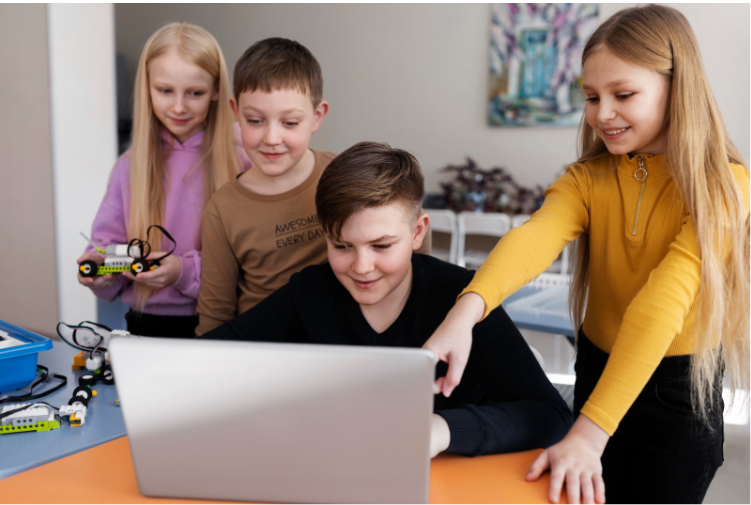
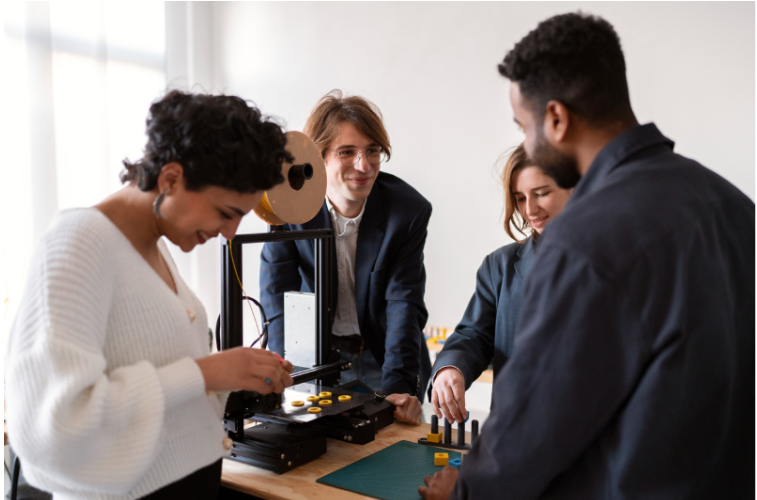
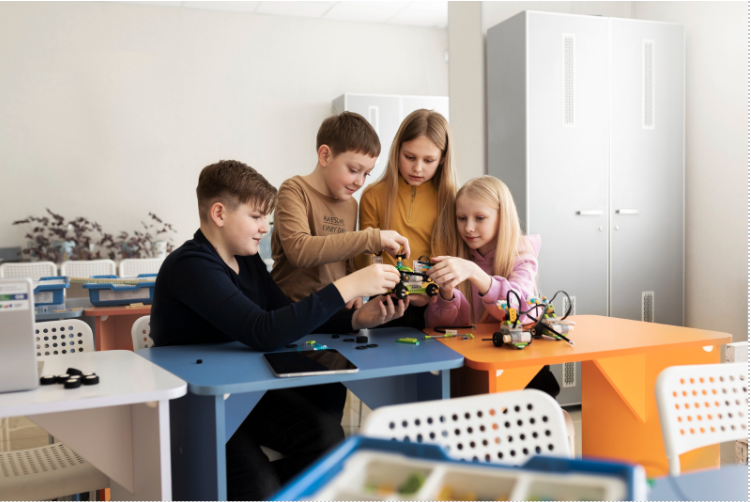
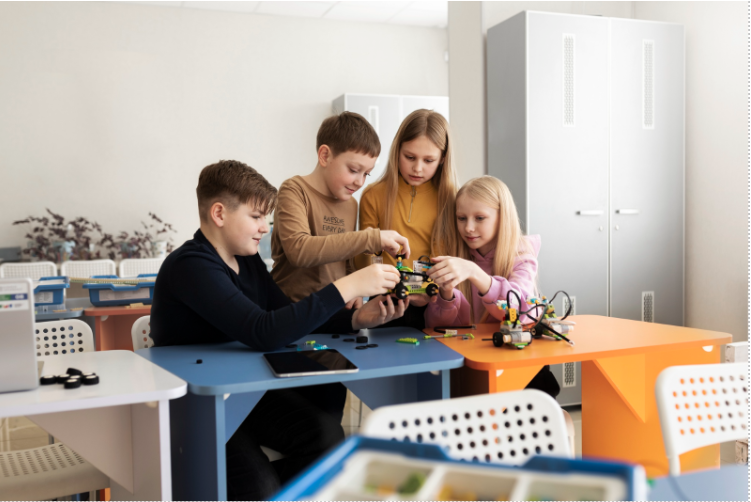
STEM education is about moving beyond memorisation and encouraging students to think, create, and solve real-world problems. Project-based learning is one of the most effective ways to deliver STEM education in classrooms, as it allows students to apply concepts through hands-on activities. These projects help students connect theory with practice while building critical thinking, creativity, and problem-solving skills.
5 Project Ideas for STEM Education
Here are 5 STEM education project ideas that we can easily implement in the classroom.
Basic Game Development Project
Concept: Students create a simple game involving movement, scoring, and interaction.
STEM Learning:
- Physics concepts such as motion and collision
- Logical thinking
- System design
How to make the project:
- Start by defining the objective of the game, such as collecting items or avoiding obstacles
- Create a player character that can move in different directions
- Add objects or obstacles that interact with the player
- Build logic to detect collisions between the player and objects
- Introduce a scoring system that increases based on actions
- Add game rules, such as win or lose conditions
- Use Scratch or Blockly to control movement, interactions, and scoring using blocks for motion, events, and conditions
- Test the game multiple times and refine difficulty and responsiveness
What do you need?
- Scratch or Blockly
- Computer or tablet
- Game design idea or storyboard
- Basic understanding of movement and conditions
Classroom Use: Introduces students to game logic while reinforcing physics concepts.
Traffic Light System Project
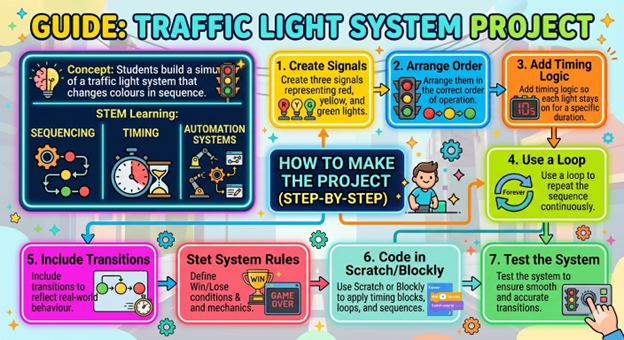
Concept: Students build a simulation of a traffic light system that changes colours in sequence.
STEM Learning:
- Sequencing
- Timing
- Automation systems
How to make the project:
- Create three signals representing red, yellow, and green lights
- Arrange them in the correct order of operation
- Add timing logic so each light stays on for a specific duration
- Use a loop to repeat the sequence continuously
- Include transitions between lights to reflect real-world behaviour
- Use Scratch or Blockly to apply timing blocks, loops, and sequences
- Test the system to ensure smooth and accurate transitions
What do you need?
- Scratch or Blockly
- Computer or tablet
- Basic understanding of sequences and timing
- Visual elements for traffic signals
Classroom Use: It helps students understand how real-world systems operate in a structured manner.
Catch and Score Project
Concept: Students create a system where objects are caught, and scores are tracked.
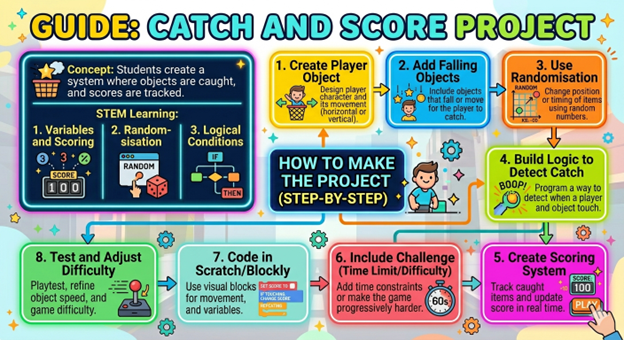
STEM Learning:
- Variables and scoring
- Randomisation
- Logical conditions
How to make the project:
- Create a player object that can move horizontally or vertically
- Add falling or moving objects that the player must catch
- Use randomisation to change the position or timing of objects
- Add logic to detect when an object is successfully caught
- Create a scoring system that updates in real time
- Include a time limit or difficulty levels for the challenge
- Use Scratch or Blockly to implement movement, conditions, and variables
- Test the game and adjust speed and difficulty
What do you need?
- Scratch or Blockly
- Computer or tablet
- Game concept idea
- Basic understanding of variables and conditions
Classroom Use: It improves problem-solving skills while making learning engaging.
Physics Simulation Project
Concept: Students simulate concepts such as gravity, motion, and force.
STEM Learning:
- Scientific modelling
- Motion and force
- Experimentation
How to make the project:
- Choose a physics concept, such as gravity or acceleration
- Create an object that moves based on defined rules
- Use variables to represent speed, direction, or force
- Apply logic to simulate movement changes over time
- Allow users to adjust variables to observe different outcomes
- Use Scratch or Blockly to create motion using loops and variable updates
- Test the simulation and observe how changes affect behaviour
What do you need?
- Scratch or Blockly
- Computer or tablet
- Basic physics concepts
- Variables for speed, force, or direction
Classroom Use: It helps students nearly visualise abstract physics concepts.
Science Experiment Simulation Project
Concept: Students simulate experiments such as a volcanic eruption or water cycle.
STEM Learning:
- Scientific processes
- Cause and effect
- Process understanding
How to make the project:
- Select a scientific process, such as a volcanic eruption or the water cycle
- Break the process into step-by-step stages
- Create visuals or animations for each stage
- Add logic to move from one stage to the next
- Include triggers such as buttons or events to start the experiment
- Add sound or visual effects to enhance understanding
- Use Scratch or Blockly to control sequencing, events, and transitions
- Test the simulation to ensure the process flows correctly
What do you need?
- Scratch or Blockly
- Computer or tablet
- Knowledge of the scientific process
- Visual and audio elements
Classroom Use: It is useful for demonstrating experiments that are difficult to perform in a physical classroom.
How do these Projects Support STEM Education?
These STEM education projects help to:
- Develop critical thinking and logical reasoning
- Encourage creativity and innovation
- Improve collaboration and communication
- Build problem-solving skills
- Connect classroom concepts with real-world applications
Tips for Teachers
Teachers should:
- start with simple projects and gradually increase complexity
- encourage experimentation and allow mistakes
- link projects with classroom subjects
- promote group-based learning
- use real-world scenarios to enhance understanding
Conclusion
STEM education through project-based learning is a powerful approach to modern teaching. These projects help students explore ideas, apply concepts, and build essential skills. By working on real-world inspired activities, students develop confidence, curiosity, and a strong foundation for future learning. This approach ensures that STEM education is not just theoretical, but meaningful and impactful.
Ready to bring hands-on STEM education into your classroom? Explore Makers’ Muse STEM labs, robotics kits, and learning programs designed to make students future-ready.
Click here to discover how we can transform your classroom into an innovation hub today.