
CFAL and ELC Launch Tinker Lab – Coastal Karnataka’s First World-Class STEM Summer Camp
A new initiative aimed at strengthening hands-on STEM learning has been launched in Mangaluru with the introduction of “Tinker Lab,” a four-week summer camp designed to inspire creativity, innovation, and practical problem-solving among students. The program has been introduced through a collaboration between the Centre for Advanced Learning (CFAL) and the Early Learning Centre (ELC), marking one of the first world-class STEM summer learning experiences for young students in coastal Karnataka.
Scheduled to run from April 1 to April 30, 2026, the camp welcomes students aged 8 to 16 from any school. The program is structured to move beyond traditional classroom learning by focusing on experiential education, where students actively build, experiment, and explore concepts rather than simply reading about them. The central philosophy of the camp is simple yet powerful: every student should leave with something they have created themselves. By the end of the program, participants are expected to complete more than 20 hands-on projects, giving them tangible results of their learning journey.
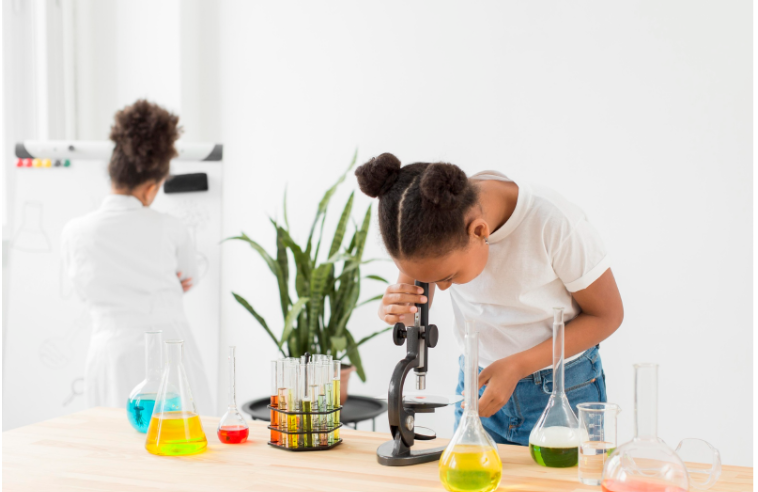
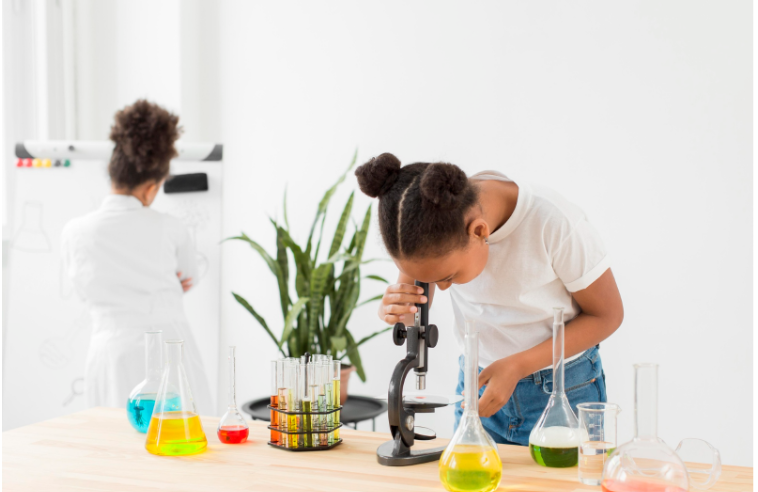
The Tinker Lab program includes four specialised learning spaces, each designed to nurture curiosity and practical understanding of STEM subjects. In the Science Lab, students conduct real experiments, build measuring tools, and test chemical reactions while discovering scientific principles through investigation rather than memorisation. This approach is inspired by the Nuffield method, widely used in UK schools to encourage independent scientific thinking.
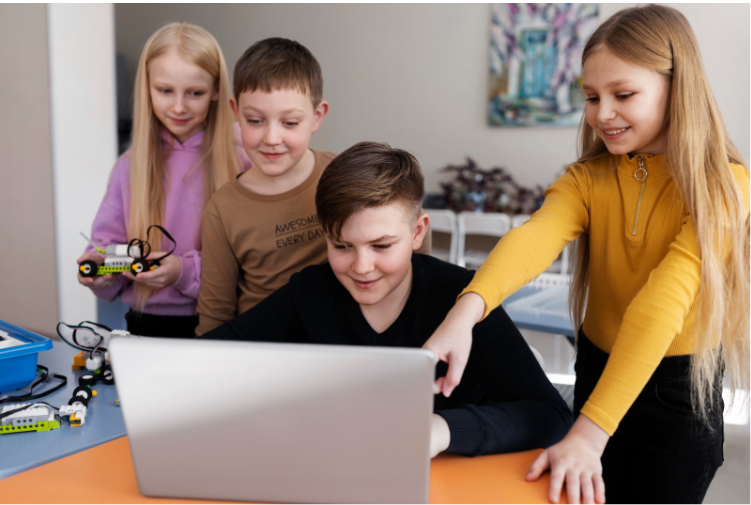
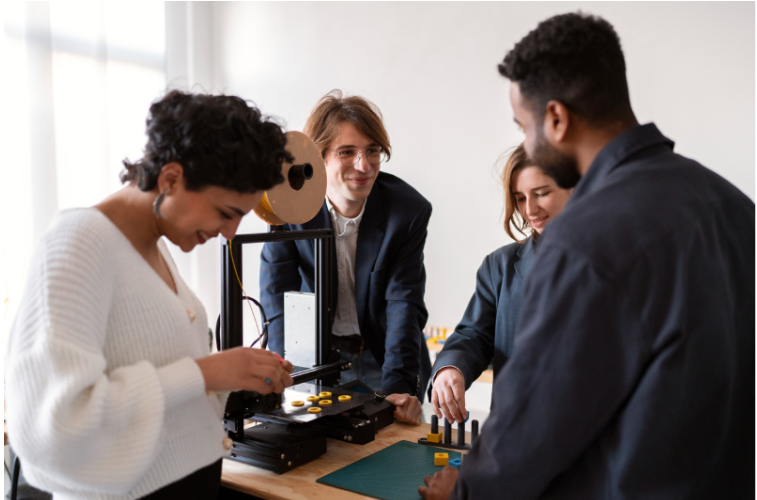
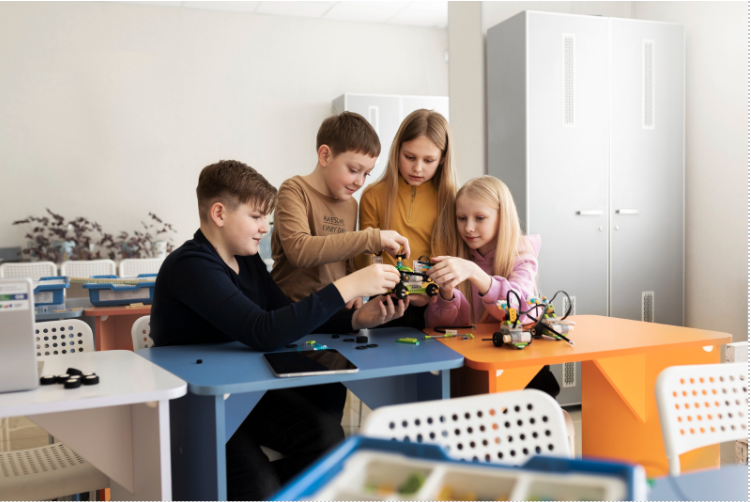
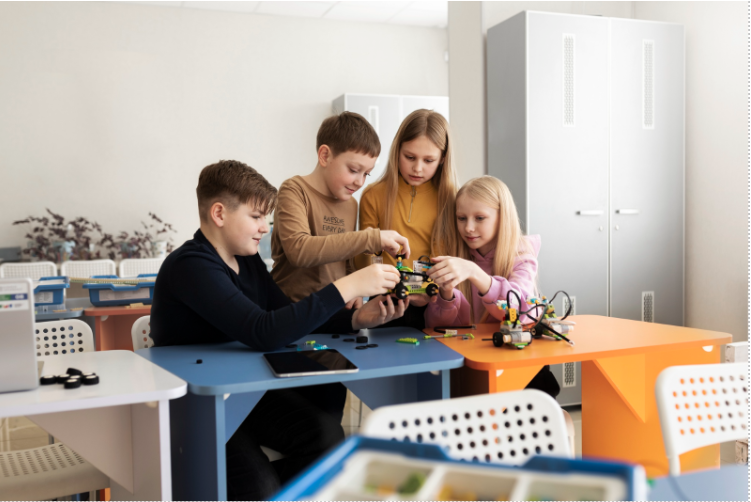
Another key component is the Maker Lab, where students explore engineering and design by building and programming robots and working on creative projects. These activities combine technology with artistic expression, allowing participants to create innovative items such as LED-based decorative projects and locally inspired crafts. The goal is to help students understand how technology and creativity can work together to solve real-world challenges.
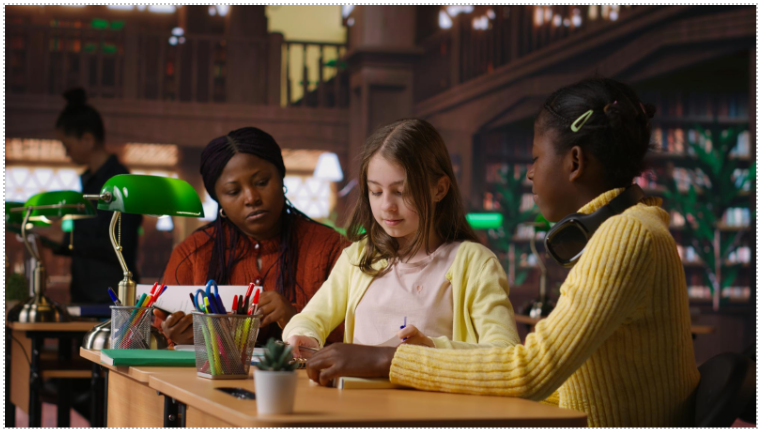
The camp also features Maths Circles, a collaborative learning environment where students solve puzzles and real-world mathematical problems in small groups. Inspired by the Berkeley Math Circle model, this section encourages students to see mathematics as an exciting field of exploration rather than a subject based purely on formulas. Additionally, students will participate in a Tree Census project, where they collect and record data about trees on the campus, contributing to an ongoing research record and learning about environmental science through fieldwork.
In the final week, participants experience entrepreneurship through a “Business Day,” where student teams design a product, sell it, and track income and expenses. The program concludes with a public Maker Fair, where students present their creations, explain their ideas, and celebrate their achievements with families, educators, and visitors.
Overall, the Tinker Lab initiative reflects a growing shift in education toward experiential STEM learning, helping students develop critical thinking, creativity, and real-world problem-solving skills that are essential for the future.