
Solar-Powered STEM Lab Brings Technology Education to Remote Philippine School
A new solar-powered STEM laboratory has recently been installed at Gumayan Integrated School in Mindanao, Philippines, bringing modern science and technology education to students in a remote off-grid community. The initiative was led by the Seattle-based technology consulting company Wimmer Solutions as part of its effort to improve access to STEM education in underserved regions around the world.
The school previously faced major infrastructure challenges, including limited electricity and lack of digital learning tools. To overcome these barriers, the project installed solar panels, battery storage systems, laptops, and satellite internet connectivity, allowing students and teachers to use technology in their classrooms for the first time.
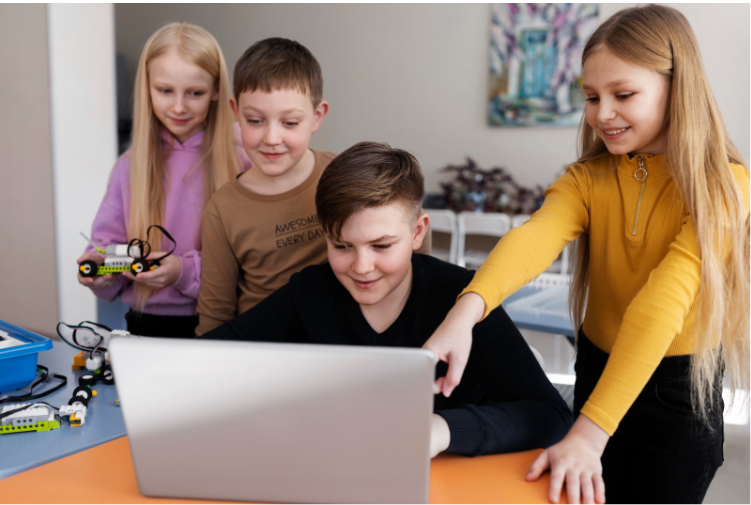
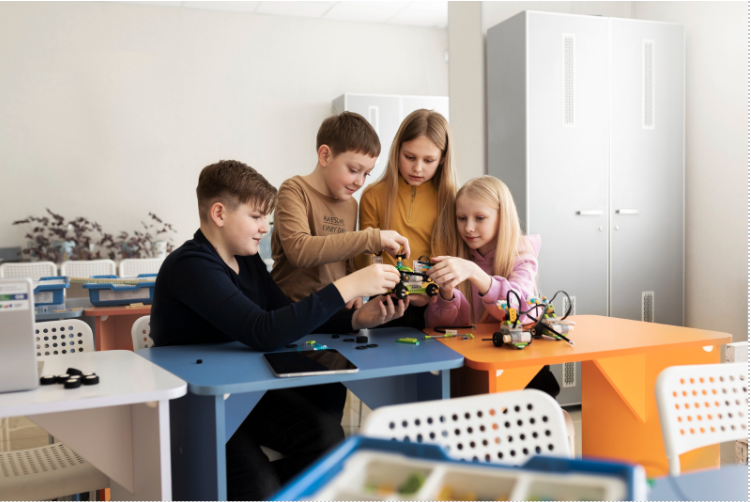
The newly established STEM lab is expected to benefit around 250 students from Grades 1 to 10, enabling them to learn subjects such as science, coding, and technology through hands-on digital tools and interactive learning experiences. Access to laptops and reliable internet will allow students to explore global educational resources, participate in technology-based projects, and develop skills that are essential in the modern digital world.
This project is part of a broader five-year initiative to build around 15 STEM labs in underserved communities worldwide. The program focuses not only on providing equipment but also on building sustainable infrastructure, ensuring that schools without reliable electricity can still support modern learning environments.
According to the organization behind the initiative, the goal is to reduce the technology gap between students in remote areas and those in major cities. Many students in rural regions lack access to computers, internet connectivity, and modern laboratories, which limits their opportunities to explore careers in science, technology, engineering, and mathematics. By introducing renewable-energy-powered learning facilities, the program aims to create equal opportunities for students regardless of their location.
Education experts believe that initiatives like this can significantly transform learning in developing regions. With access to digital tools and modern laboratories, students can move beyond traditional textbook-based learning and engage in project-based STEM education, which helps develop critical thinking, creativity, and problem-solving skills.
Overall, the solar-powered STEM lab represents a significant step toward expanding global access to technology-driven education and inspiring the next generation of innovators in underserved communities.